Concrete vs. Vinyl: Two "Low Maintenance" Options, Very Different Results
Both precast concrete and vinyl fencing are marketed as low-maintenance alternatives to wood. But in California's intense climate — with extreme UV exposure, heat cycles, and occasional seismic activity — these materials perform very differently over time. After 45+ years of installing fences across California, here's what we've seen.
Material Strength and Durability
Vinyl (PVC) fencing is a plastic product. While it won't rot like wood, it has significant limitations in California's environment. UV exposure causes vinyl to become brittle over time — panels crack, warp, and yellow after 15-20 years of California sun. High winds can snap vinyl posts and panels because the material lacks structural rigidity.
Precast concrete panels are manufactured at 5,000+ PSI with steel reinforcement. They resist UV, heat, wind, seismic forces, and impact. A concrete panel can withstand a vehicle collision that would obliterate a vinyl fence. The material doesn't degrade, discolor, or lose strength over time.
Cost Comparison
| Factor | Vinyl Fence | Precast Concrete |
|---|---|---|
| Installation cost (per LF) | $20-$40 | $175-$225 |
| Lifespan | 20-30 years | 50-100+ years |
| Annual maintenance | $100-$300 (cleaning, minor repairs) | $0 |
| Replacement at year 25 | $20-$40/LF again | Not needed |
| 50-year total (200 LF) | $13,000-$31,000 | $35,000-$45,000 |
Vinyl appears cheaper initially, but its shorter lifespan means you'll replace it at least once (possibly twice) within the timeframe that a single concrete fence installation covers. For full pricing details, see our concrete fence cost guide.
California Heat and UV Performance
This is vinyl's Achilles heel in California. PVC becomes brittle under sustained UV exposure. In inland areas like Riverside, Bakersfield, and Sacramento — where summer temperatures regularly exceed 100°F — vinyl fences show accelerated aging. Panels warp, posts lean, and the material yellows from white to a dingy cream color.
Precast concrete is completely unaffected by heat and UV. Our panels installed in the Mojave Desert 30+ years ago look identical to the day they were placed. The mineral-based material doesn't have UV-sensitive chemical bonds that break down over time.
Wind and Impact Resistance
California experiences Santa Ana winds exceeding 60 mph in Southern California and strong valley winds in the Central Valley. Vinyl fence panels act as sails — they catch wind and snap at connection points. After major wind events, vinyl fence repair is one of the most common contractor calls in California.
Precast concrete panels, weighing 300-500 pounds each, are essentially immovable by wind. They're also impact-resistant — a fallen tree branch, a backing vehicle, or a thrown object won't breach a concrete panel.
Sound Reduction
Vinyl fencing provides minimal sound reduction. The lightweight, hollow material doesn't block sound waves effectively. For homes near freeways or busy streets, vinyl offers almost no acoustic benefit.
Precast concrete carries a lab-tested STC-35 (ASTM E90) rating. The mass and density of concrete panels create an effective sound barrier. This is why Caltrans uses concrete — not vinyl — for highway sound walls. See our sound barrier fence page for more details.
Security
Vinyl fencing provides visual privacy but minimal security. Panels can be kicked through, cut with a utility knife, or pried apart at connections. For homeowners concerned about break-ins, vandalism, or wildlife intrusion, vinyl is inadequate.
Precast concrete panels cannot be cut, kicked through, climbed easily, or breached without heavy equipment. They provide genuine security — the same material used for prison perimeters, military installations, and high-security commercial properties.
Fire Resistance
Vinyl is a petroleum-based plastic. While it doesn't ignite as easily as wood, it melts and produces toxic hydrogen chloride gas when exposed to fire. In California's wildfire environment, a vinyl fence near a structure creates both a fire spread risk and a toxic fume hazard.
Precast concrete is completely non-combustible with a 4-hour fire rating. It produces no toxic fumes and acts as a firebreak. For homes in wildfire-prone areas, this isn't just a preference — it's a safety requirement. Read more in our wildfire zone fencing guide.
Aesthetics and Design Options
Vinyl fencing comes in limited styles — primarily white or tan privacy panels, picket, and ranch rail. Color options are restricted because pigments accelerate UV degradation.
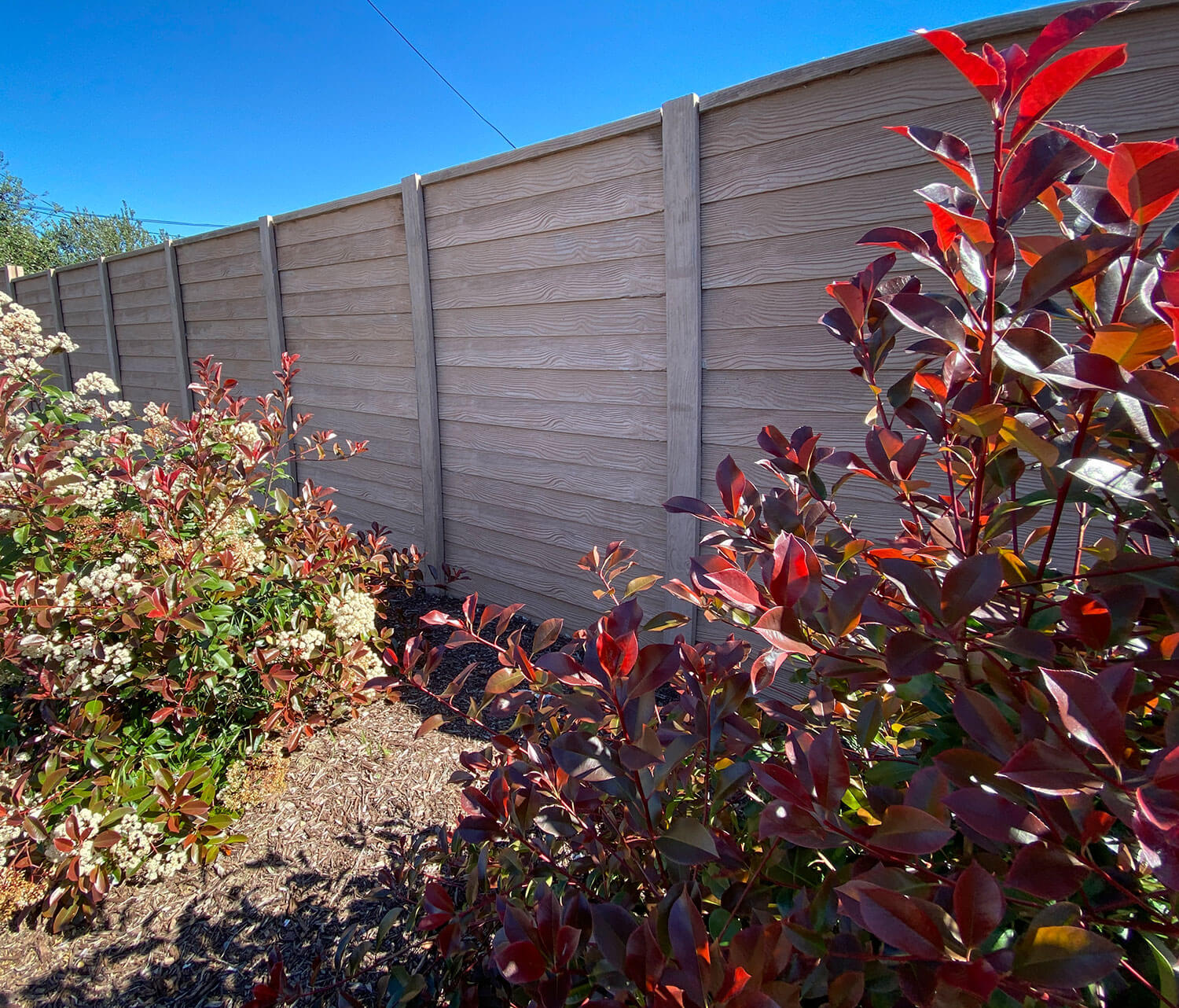
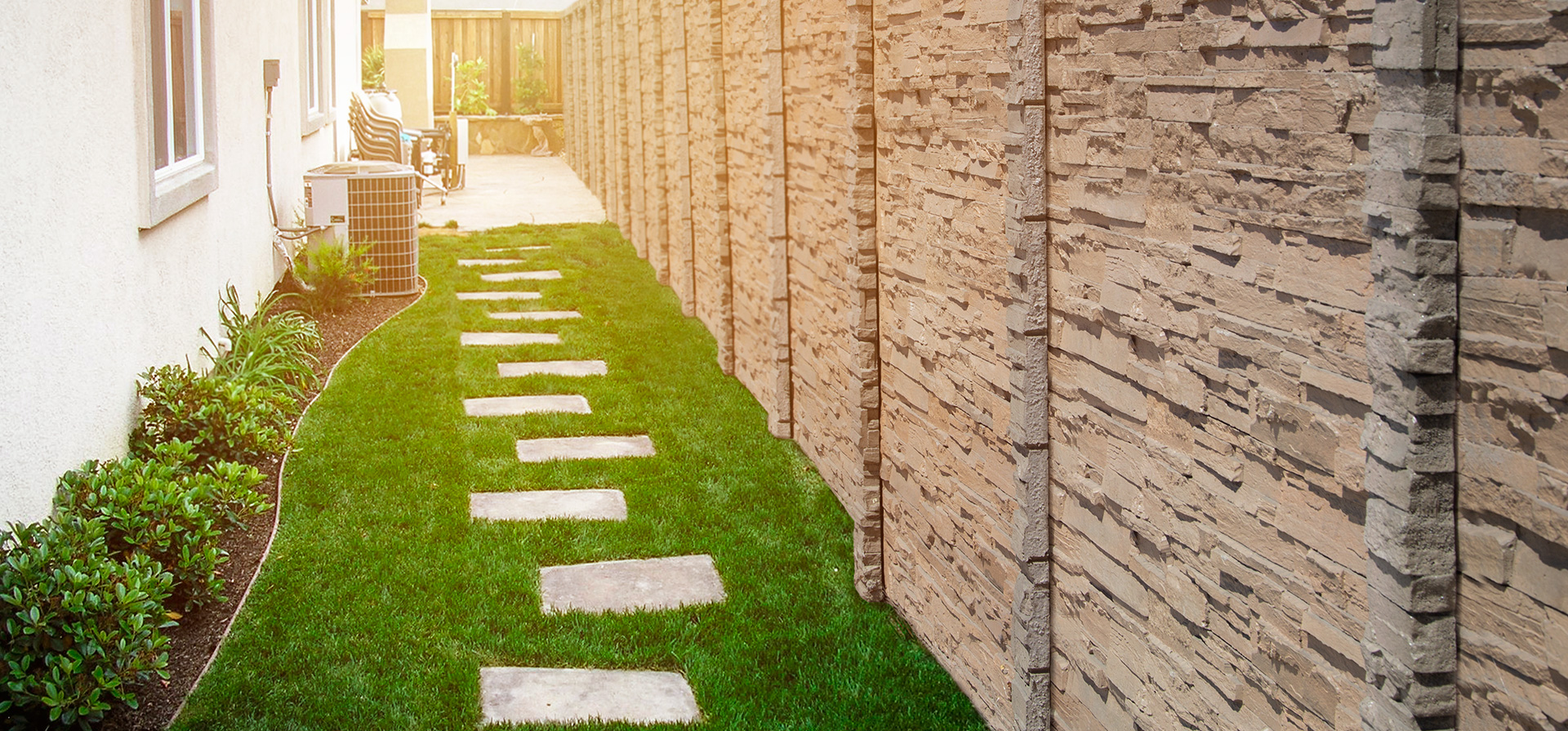
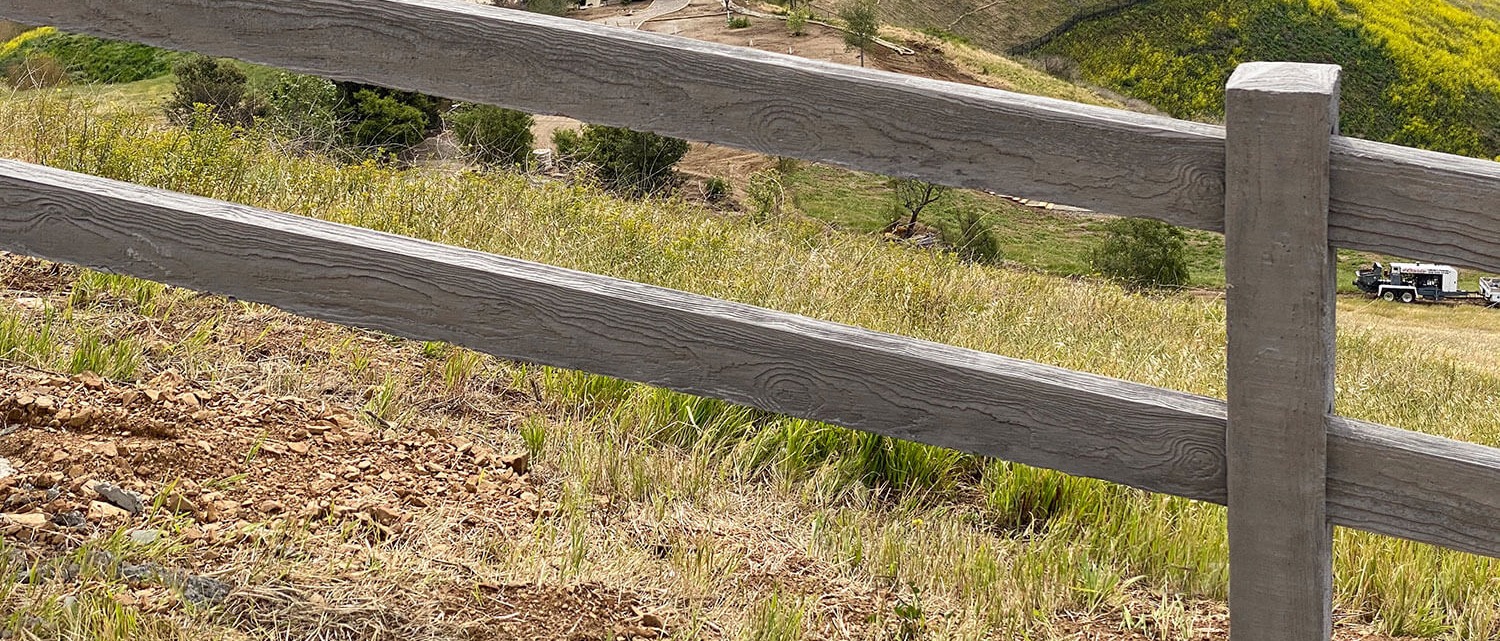
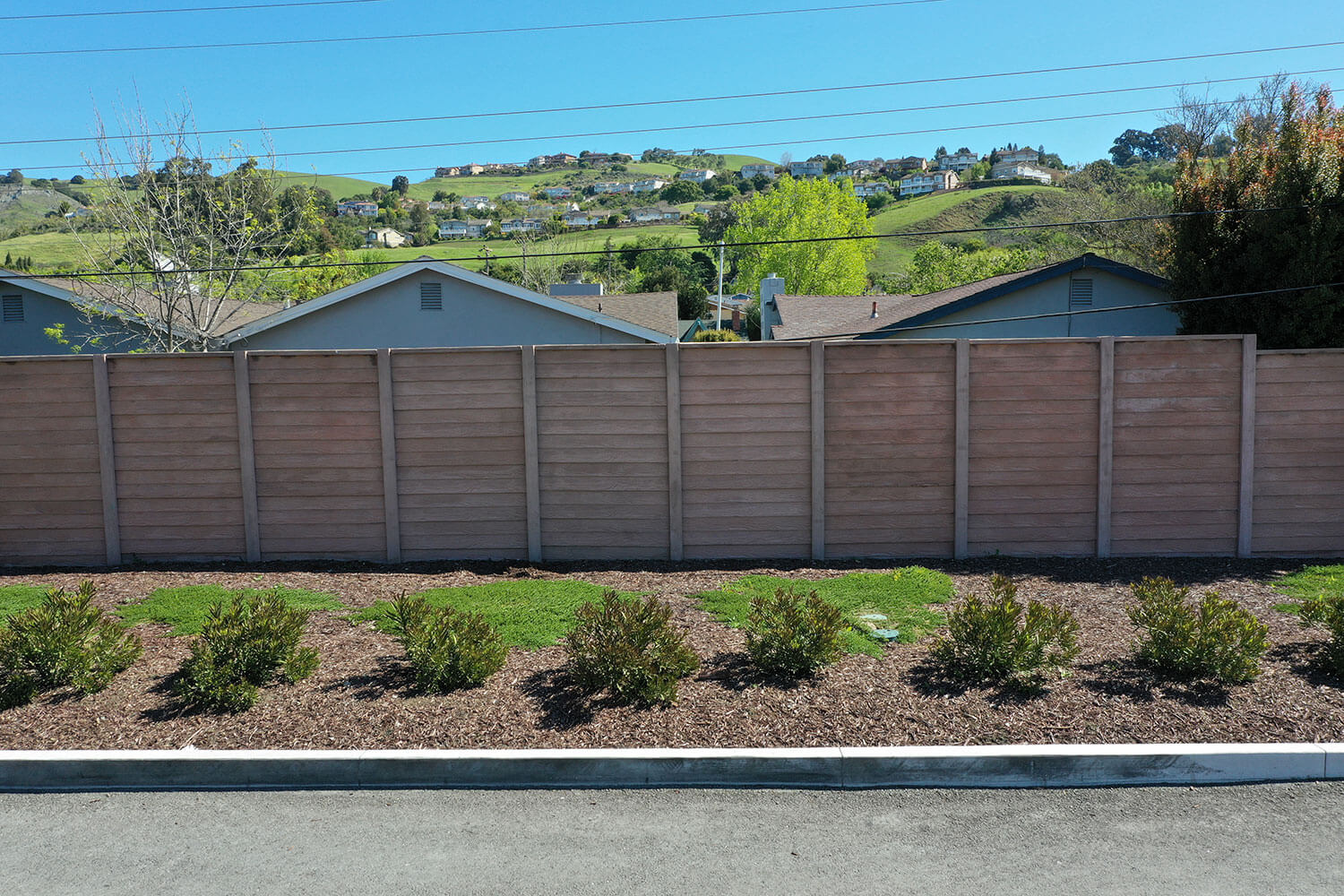
Precast concrete offers 7 designer textures (ChiselStone, WoodCrete, BlockCrete, StackStone, SmoothStone, RusticBrick, and Rails) in multiple colors. The textures realistically replicate natural stone, wood grain, and brick — providing architectural-grade aesthetics that vinyl cannot match. View our full product comparison.
Environmental Impact
Vinyl fencing is made from PVC — a plastic that's difficult to recycle and takes centuries to decompose in landfills. Manufacturing PVC produces dioxins, one of the most toxic chemical groups known. When vinyl fences reach end-of-life (20-30 years), they typically go to landfill.
Precast concrete is made from natural materials (cement, aggregate, water) and is fully recyclable. Crushed concrete becomes road base or aggregate for new concrete. Its 50-100+ year lifespan means dramatically less waste generation per year of service.
Resale Value
Vinyl fencing is viewed as a mid-grade improvement by real estate appraisers. It adds some value but depreciates as it ages and yellows. Precast concrete is considered a premium, permanent improvement that adds $5,000-$15,000 in appraised value and signals quality to buyers.
The Verdict
Vinyl fencing is a reasonable choice for budget-conscious homeowners in mild climates. But in California — with its extreme UV, heat, wind, wildfire risk, and seismic activity — precast concrete outperforms vinyl in every category except initial cost. And even that advantage disappears when you factor in vinyl's shorter lifespan and replacement costs.
For a detailed side-by-side comparison page, visit our precast vs vinyl comparison tool.
Frequently Asked Questions
Does vinyl fencing yellow in California sun?
Yes. UV exposure causes vinyl to yellow and become brittle over 10-20 years. This is accelerated in inland California areas with intense sun exposure. Most vinyl manufacturers' warranties exclude UV discoloration after 5-10 years.
Is vinyl cheaper than concrete fencing long-term?
No. While vinyl costs less upfront ($20-$40/LF vs $175-$225/LF), its 20-30 year lifespan means you'll replace it 2-3 times within a concrete fence's single lifespan. Over 50 years, concrete costs 35-50% less than vinyl.
Can vinyl fencing withstand California winds?
Vinyl struggles in high-wind areas. Santa Ana winds (60+ mph) regularly damage vinyl fences in Southern California. Precast concrete panels, weighing 300-500 lbs each, are unaffected by wind.
Which adds more property value — vinyl or concrete?
Precast concrete adds significantly more value. Appraisers classify it as a permanent structural improvement ($5,000-$15,000 added value), while vinyl is considered a depreciating fixture with limited value contribution.
Ready to see the difference in person? Get a free estimate or call 1.626.416.0919 for a consultation.
Ready to Get Started?
Get a free, no-obligation estimate for your precast concrete fence project. Our team will visit your property, take measurements, and provide a detailed quote within 48 hours.